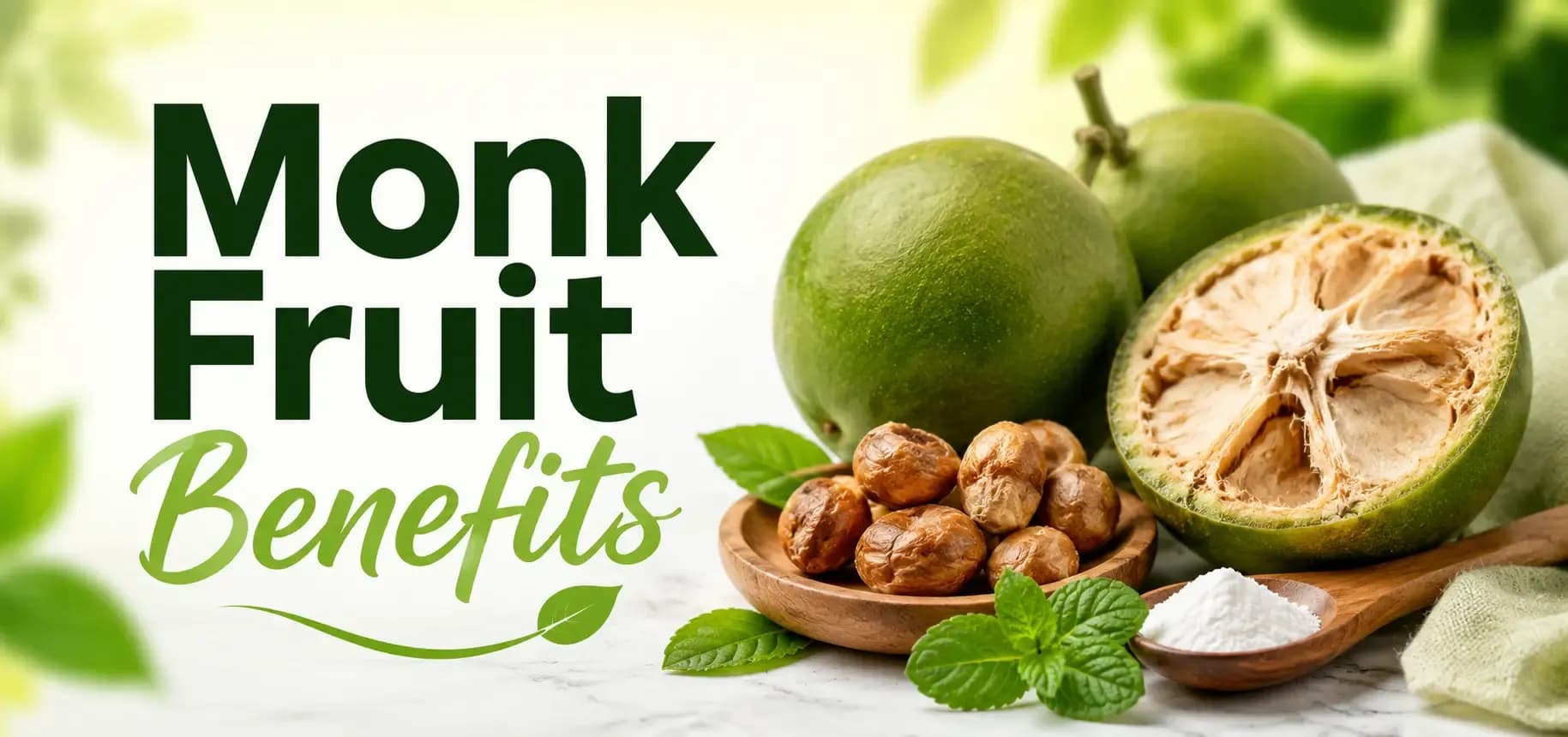

Table of Contents Why Cookies Are Still Possible on a Diabetic Diet What Makes Sugar Free Cookies Different Ingredients That Actually Work in Low-Carb Baking Healthy Cookie Recipes You Can Try at Home Understanding Sugar Substitutes in Baking Baking Soda Replacement in Cookies Common Mistakes That Ruin Sugar-Free Cookies Store-Bought vs Homemade: What’s Better Tips to Keep Cookies Diabetes-Friendly Final Thoughts FAQs Why Cookies Are Still Possible on a Diabetic Diet Most people assume that once you have diabetes, cookies are completely off the table. That idea usually comes from how traditional cookies are made, loaded with refined flour and sugar. But things have changed. With better ingredients and a bit of awareness, you can still enjoy cookies without putting your blood sugar through a rollercoaster. The goal is not to recreate sugary treats exactly as they are. It is to make smarter versions that feel satisfying without the downside. That is where sugar free cookies come in. They offer a way to enjoy something familiar while keeping your diet balanced. What Makes Sugar Free Cookies Different The biggest difference is simple. Sugar is removed or replaced. But that alone does not make a cookie diabetes-friendly. It is really about how all the ingredients work together. A good sugar-free cookie usually has: Low or no added sugar Reduced carbohydrates Higher fiber or protein Better fats instead of processed ones When done right, these cookies do not cause the same sudden spike in blood sugar as regular ones. Looking to buy sugar free cookies? Diabmart offers options that fit your routine. Shop now: Sugar Free Cookies They may taste slightly different at first, but many people find them just as enjoyable once they get used to them. Ingredients That Actually Work in Low-Carb Baking If you want to make better cookies, ingredients matter more than anything else. Here are some commonly used diabetic flour options: Almond Flour A popular choice in low-carb baking. It is lower in carbohydrates and gives a soft texture. Coconut Flour Absorbs more moisture, so it is usually used in smaller amounts. Explore diabetic flour options: Diabetic Flour Sugar Alternatives Instead of regular sugar, people use: Stevia Monk Fruit Erythritol These provide sweetness without raising blood sugar significantly. If you want the best quality stevia, Diabmart offers trusted options: Canderel with Stevia Tabs Canderel Stevia Jar Eggs They help bind everything together and improve texture. Butter or Coconut Oil Adds richness and helps cookies hold their shape. These ingredients are the base of many healthy cookie recipes that work for a diabetic diet. Healthy Cookie Recipes You Can Try at Home You do not need complicated techniques to make good cookies. A simple recipe often works best. Basic Sugar-Free Chocolate Chip Cookies Ingredients: 1 cup almond flour 2 tablespoons butter 1 egg Sugar-free sweetener (to taste) Sugar-free chocolate chips 1/2 teaspoon baking soda Method: Preheat your oven. Mix all ingredients in one bowl. Shape into small cookies and place on a baking tray. Bake until lightly golden brown. This recipe is easy to follow and can be adjusted based on your taste preferences. For more inspiration, you can explore recipes from The Sugar Free Diva. Understanding Sugar Substitutes in Baking Switching sugar is not just about sweetness. It also affects texture and moisture. Erythritol gives a crisp texture Stevia is very strong, so only a small amount is needed Monk fruit often tastes closer to sugar Each option behaves differently. That is why sometimes your first batch may not turn out perfect. It takes a little trial and error, but once you find what works, baking becomes much easier. Baking Soda Replacement in Cookies At times, you may find yourself without baking soda, or perhaps you do not like using it. Here are some alternatives: Baking powder (use slightly more than baking soda) Lemon juice mixed with baking powder Self-rising flour (when suitable for the recipe) These options can help maintain a light cookie texture. Common Mistakes That Ruin Sugar-Free Cookies Even simple recipes can go wrong if you miss a few details. Using too much sweetener Incorrect flour substitutions Overbaking the cookies Expecting exactly the same texture as sugar-based cookies Understanding these factors can help improve your baking results. Store-Bought vs Homemade: What’s Better Both options have their place. Homemade cookies give you full control over ingredients, while store-bought versions offer convenience. However, always read labels carefully because some products labeled "sugar-free" may still contain: High carbohydrate content Artificial ingredients Hidden sweeteners The best choice depends on your lifestyle and preferences. Tips to Keep Cookies Diabetes-Friendly Keep portions small Pair cookies with protein-rich foods such as nuts or yogurt Avoid eating them on an empty stomach Do not rely on them as an everyday snack These simple habits can help you enjoy cookies while maintaining better blood sugar control. Final Thoughts Living with diabetes does not mean you have to give up everything you enjoy. It means learning how to adjust. Sugar free cookies are a good example of that balance. They allow you to enjoy something familiar without putting your health at risk. You may need a few attempts to get the recipe right, and that is perfectly normal. Over time, it becomes easier and more natural. In the end, it is not about perfection. It is about making choices that feel sustainable in the long run. Disclaimer: This article is for informational purposes only. If you have any medical condition, including diabetes, please talk to your doctor before making dietary, lifestyle, or product choices. FAQs 1. Are sugar free cookies safe for diabetics? They can be a better option than regular cookies, but portion control is still important. 2. Do sugar free cookies taste the same as regular cookies? They are slightly different, but many people find them enjoyable after a few tries. 3. What is the best flour for low-carb cookies? Almond flour is one of the most commonly used options. 4. Can I bake cookies without baking soda? Yes, you can use baking powder or other alternatives. 5. Are store-bought sugar free cookies a good option? They can be, but always check the ingredient list for hidden sugars or carbohydrates. References The Sugar Free Diva. Sugar-Free Chocolate Chip Cookies Centers for Disease Control and Prevention. Can People With Diabetes Have Dessert?