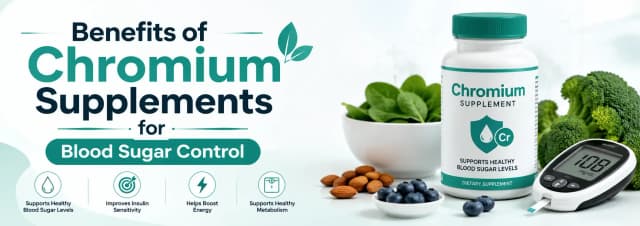

Table of Contents What Is Berberine Supplement Why People Are Talking About Berberine Benefits of Berberine Supplement Berberine Weight Loss: What to Expect How Much Berberine Should You Take Choosing the Best Berberine Supplement Food Sources vs Supplements Possible Side Effects and Safety Simple Tips Before You Start Final Thoughts FAQs What Is Berberine Supplement If you have been looking into natural ways to support blood sugar or overall health, you have probably come across berberine. So, what is berberine supplement in simple terms? Berberine is a natural compound found in certain plants. It has been used for a long time in traditional practices, but in recent years, it has gained attention for its role in blood sugar management and metabolism. When taken as a supplement, berberine works inside the body in a way that supports how cells use energy. It is not a vitamin, but it behaves in a way that influences several processes at once, especially those related to glucose and fat metabolism. Why People Are Talking About Berberine There is a reason berberine keeps showing up in conversations about health. People are not just looking for quick fixes anymore. They are looking for options that support long-term balance, especially when it comes to blood sugar, weight, and energy levels. Berberine stands out because it does not target just one thing. It works across multiple systems in the body. That is why many people consider it when they are trying to improve overall metabolic health. It is not a miracle solution, but it has gained attention because of how consistently it shows supportive effects when combined with better lifestyle habits. Benefits of Berberine Supplement Let’s talk about the real benefits of berberine supplement in a way that makes sense for everyday use. Supports Blood Sugar Balance The most popular use is for lowering blood sugar. Berberine can help make your body more sensitive to insulin, which helps keep blood sugar levels in check. Helps Improve Insulin Sensitivity When your body is more sensitive to insulin, it can more easily process sugar in the blood, instead of it accumulating. May Support Heart Health Research has also shown berberine may lower cholesterol, which is good for the cardiovascular system. Aids Digestion Berberine has also been shown to be connected to gut health. Good gut health can contribute to overall health and metabolism. Supports Energy Stability When blood sugar levels are stable, your energy tends to stay more consistent throughout the day. These benefits are the reason why many people start looking for the best berberine supplement to include in their routine. Berberine Weight Loss: What to Expect There is a lot of interest around berberine weight loss, but it is important to stay realistic. Berberine is not a fat-burning shortcut. What it can do is support the processes that influence weight. It may help reduce insulin resistance It can support better metabolism It may reduce unnecessary cravings When these things improve, weight management becomes easier. However, results depend heavily on your diet and lifestyle. Without those, even the best supplement will not do much. How Much Berberine Should You Take A question we often get asked is dosage. Generally, it is recommended to be taken in smaller doses throughout the day, rather than all at once. 500 mg two or three times a day This typically totals 1000–1500 mg a day. It is commonly taken before food to help control your blood sugar levels. However, it is best to start with a smaller dose and see how you respond. Choosing the Best Berberine Supplement When searching for the best berberine supplement, it can be hard to know where to start. Rather than brand, simplicity is key: Look for pure berberine on the label Look for products with no fillers or additives Look for products from reputable manufacturers Make sure there is a clear dose The best supplement is not necessarily the most expensive. It is about being consistent. Food Sources vs Supplements Berberine is not a vitamin, and it is not easy to find it in large amounts in food. It is found naturally in plants such as barberry and goldenseal, but not in sufficient amounts to produce the same effects as supplements. So, to get its effects, many people take it as a supplement. But supplements should be taken in conjunction with a healthy diet. They should not be used as a substitute for a balanced diet. Possible Side Effects and Safety Berberine is usually safe, but as with all supplements it can cause problems for some people. Mild stomach discomfort Constipation or diarrhea Slight changes in digestion These are generally mild and improve over time. You should be careful if you: Are pregnant or breastfeeding Are on medication for blood sugar or blood pressure In these instances, it is best to check with a health professional. Simple Tips Before You Start If you are considering taking berberine, keep these practical tips in mind: Start with a lower dose Take it regularly rather than in fits and starts Take it with nutritious food Be consistent and expect gradual improvements Supplements are not meant to be experimented with. Consistency matters. Final Thoughts Berberine has become popular for good reason. Berberine supplement has been shown to have benefits in regulating blood glucose, metabolism, and balance. But do not get carried away. Supplements are not a substitute for healthy habits. Results come from making the right choices and putting in the time. Berberine, when used properly, can be a useful addition, particularly if you are looking to support your blood sugar and energy levels. Disclaimer: Diabmart's health article is for informational purposes only. If you have any medical condition, including diabetes, please talk to your doctor before making dietary, lifestyle, or product choices. FAQs 1. What is berberine supplement good for? The supplement supports healthy metabolic function, blood sugar levels, and overall well-being. 2. Does berberine help with weight loss? It can support weight management, but dietary and lifestyle changes are still important. 3. When should I take berberine? It is typically taken before meals to help support blood glucose management. 4. Does berberine have side effects? It may cause mild digestive issues, especially when first starting. 5. Should I take berberine every day? Yes, but within recommended doses and under professional guidance if necessary. References WebMD. Berberine Supplement Guide Mayo Clinic. Dietary Supplements Guide